
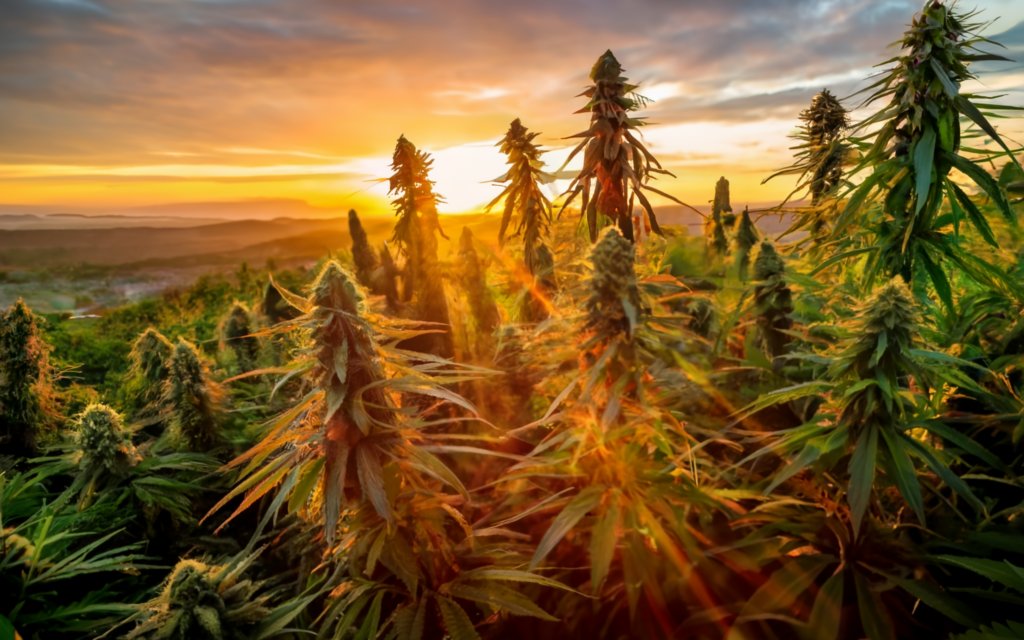
Landrace cannabis refers to cannabis varieties that evolved naturally in their native geographic region without human selection or crossbreeding. These plants are adapted to local climates, soils, and environmental factors and form the basis for many modern cannabis strains.
- What is landrace cannabis?
Landrace plants are:
Authentic and pure: genetically unaltered by human crossbreeding.
Region-specific: for example, Afghan indica, Thai sativa, or Malawi sativa.
Adaptive: resistant to local diseases, climate stress and soil variations.
These species are often robust, resistant and adapted to specific seasons and day lengths.
- Importance of landrace genetics
Basis for hybrid strains: Many modern indica, sativa and autoflowering strains are based on landrace genetics.
Stable properties: robustness, yield and cannabinoid profiles are reliable.
Medicinal Potential: Some landrace varieties contain unique cannabinoid and terpene profiles that support therapeutic applications.
3. Examples of well-known landrace breeds
Region | Type | Features |
|---|---|---|
| Afghanistan | Indica | Compact plant, thick buds, relaxing effect |
| Thailand | Sativa | Tall plant, high THC, stimulating effect |
| Colombia | Sativa | Robust, tropical, aromatic |
| Malawi (Africa) | Sativa | Very vigorous grower, high THC |
| India / Kerala | Sativa | Aromatic, mild psychoactive effect |
- Landrace versus Hybrid
Landrace:
Pure, unaltered genetic material
Robust and adapted to the natural environment
Limited availability, often difficult to grow outside their region
Hybrid:
Human selected and crossbred
Combines properties of several landraces
Often optimized for yield, taste or potency
Modern breeders use landrace genetics to create new hybrids with specific traits such as short flowering times, high THC, or unique aromas.
- Culture and conservation
Landrace plants often require specific climates and day lengths.
They maintain their genetic diversity when grown in their native region.
Seed banks and conservation programs protect these valuable genetics for future breeding.